Respect Vallecito Lake
A working mountain-lake valley. Here's how the people who live here keep it that way.
A pretty extraordinary corner of Colorado
Around 400–500 of us live here year-round (about 2,000 in summer), surrounded by more than 2.5 million acres of public land. (Visit Durango)
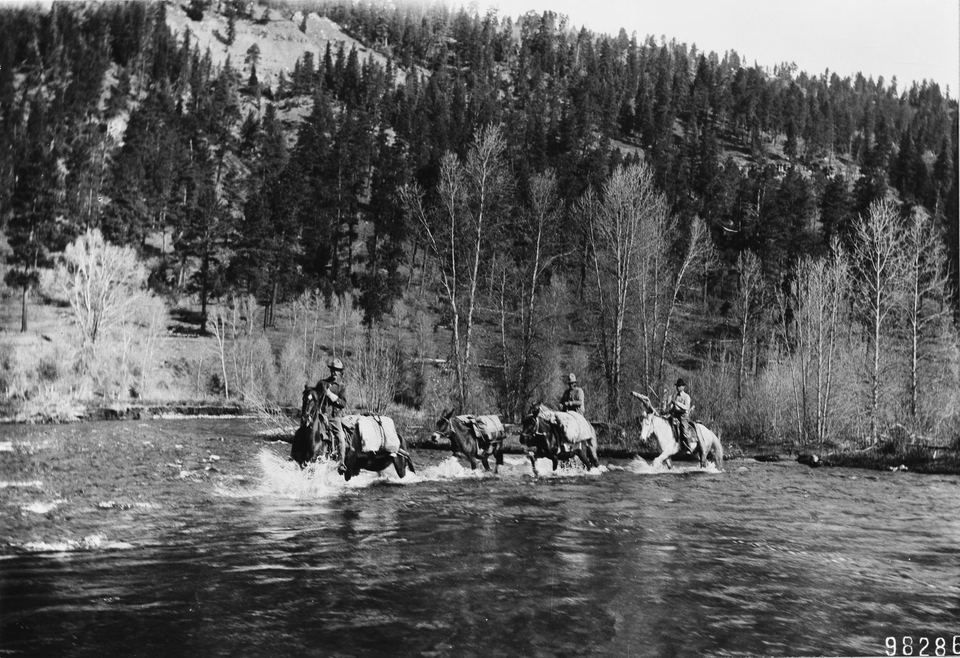
Colorado's largest Wilderness is the backyard
The Weminuche wraps the valley: 499,771 acres — the Forest Service calls it “three-quarters the size of Rhode Island” — with 50 miles of the Continental Divide and three 14ers (Eolus, Sunlight, Windom). Its snowmelt feeds both the Rio Grande and the San Juan.
Two great gateways start right here
From the lake, the Vallecito Creek Trail (#529) climbs roughly 18 miles to the Divide, and the Pine River Trail (#523) reaches what the Forest Service calls “some of the finest fly-fishing anywhere.”
The water carries an 1868 priority date
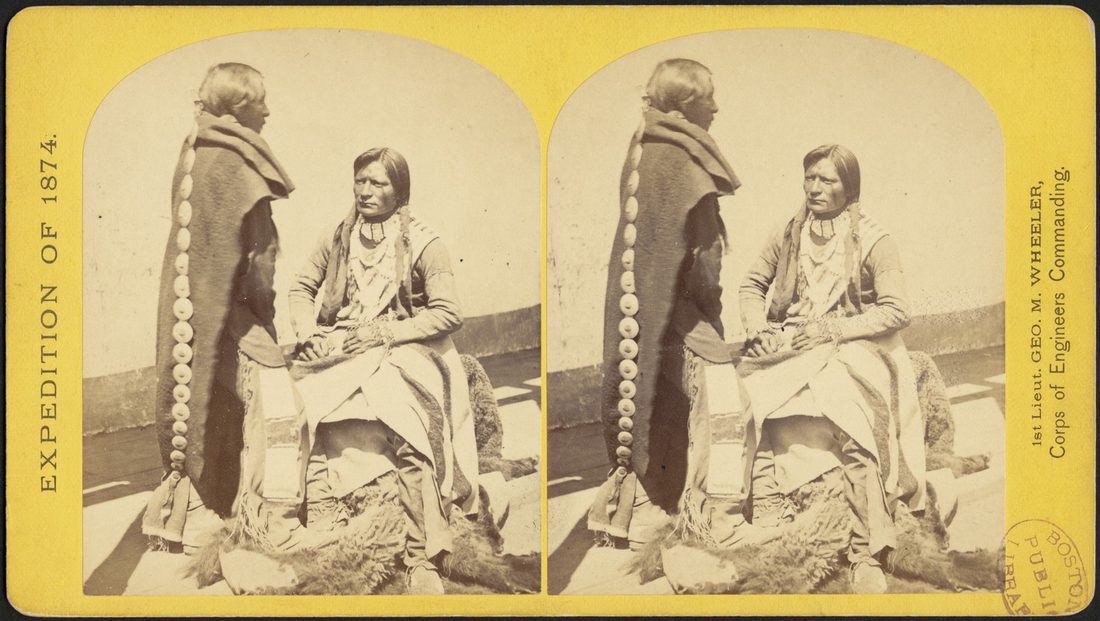
This reservoir honors some of the oldest water rights in the basin. The Southern Ute Indian Tribe owns a one-sixth interest in Vallecito Reservoir, confirmed in a 1988 federal settlement. The wilderness above it is named for the Weminuche band of the Ute people, whose homeland this is; “Vallecito” is Spanish for “little valley.”
A New Deal lake
The Bureau of Reclamation built Vallecito Dam between 1938 and 1941. WPA workers and CCC enrollees cleared some five million board feet of timber from the valley floor before the water rose — ranchers, farmers, and Utes had pushed for it together.
Also here: a native bighorn herd (Mountain Studies Institute), reintroduced lynx and moose (CPW), “plentiful” osprey (Colorado Birding Trail), and a state-record pike fishery (CPW · our fishing guide).
A handful of shared standards
None of this is hard — it's just how a small community keeps a wild place wild. Most of it is also the law, so each one links to the actual rule if you want it. Here's how we all do it.
Slow down on the county roads
CR 501 and CR 500 are mountain county roads shared with kids, dogs, deer, and cyclists, and the Sheriff patrols the lake (your PRID recreation fees help pay for it). Obey the posted limits — they're slower than you'd think, for good reasons you'll see around the next bend.
Ride legal: trails, not roads
In Colorado this is state law, not local grumpiness: OHVs and side-by-sides can't travel a public road unless the county has designated it open — and no La Plata County road has been designated open. Crossings only. The legal (and better) riding is on San Juan National Forest routes shown on the Motor Vehicle Use Map, with a CPW OHV registration ($26.25).
Kids: ages 10–15 may ride designated trails only under the direct, visual supervision of a licensed driver; 16+ can ride on their own — never on the roads. CPW and its education partners direct riders under 18 to wear a DOT helmet.
Middle Mountain ride guide · C.R.S. 33-14.5-108 · Stay The Trail
Pack it out
The marina, the market, and the campgrounds all have dumpsters, so litter is one problem we can always solve together.
Sound carries on the water
A voice or a stereo travels a surprising distance across a still lake. Forest Service campground quiet hours run 10 p.m.–6 a.m. (easy on the generators), and Colorado's noise statute sets nighttime limits. The loons and the neighbors both thank you.
Fire is the one mistake this valley can't take back
Missionary Ridge burned about 73,000 acres above this lake in 2002 — everyone here remembers (the firewise guide tells that story and how to live with the risk). Fireworks that leave the ground are always illegal in Colorado, and all fireworks are banned on National Forest land year-round. Always check the current fire-restriction status before any flame, campfire, or stove.
Fire restrictions & campfire safety · Live status · Wildfire watch · CO DFPC · 36 CFR 261.16
Don't feed the wildlife: secure the trash
A fed bear is a dead bear. Feeding big game is illegal in Colorado, and La Plata County asks everyone at the lake to keep trash bear-secure. Lock it up, store it inside, and enjoy the animals wild — which is the whole point of seeing them here.
Leave the drones out of the Wilderness
Drones can't launch, land, or operate from designated Wilderness — the Weminuche included. Over the lake and the cabins, follow FAA rules and a little courtesy; a quiet sky is part of what people drive all this way for.
On the water
Colorado boating rules apply — life jackets aboard, careful operation, working mufflers — and every trailered boat is inspected for aquatic nuisance species at the ramp, so arrive clean, drained, and dry. PRID manages recreation on the reservoir.
If you host guests
Unincorporated La Plata County doesn't require a short-term-rental permit, but it does require lodging-tax collection — and it publishes a short Good Neighbor Policy covering noise, parking, trash, pets, and fire. Print it and leave it on the fridge for your guests; it's one of the kindest things you can do for your neighbors.
And this isn't a visitors-only list. Those of us here year-round live by the same trash-and-bear, noise, burn-restriction, and trail rules — we're all looking after the same place.
This valley has come back before
After the 2002 Missionary Ridge Fire, the community answered with the Tour of Carvings — fourteen sculptures cut from fire-killed trees. After the record October 2025 flood, it began rebuilding again. What we do on an ordinary Tuesday — slow down, pack it out, lock the trash — is how it stays extraordinary. Welcome to Vallecito.
Page updated · Spot something wrong? Tell us