Wildlife around Vallecito Lake
We share this valley with bears, moose, eagles and elk, and a few small habits keep them wild and everyone safe.
Black bears, moose, elk, deer, bald eagles and osprey all live around Vallecito Lake. Colorado Parks & Wildlife calls moose “one of the more dangerous animals we have,” and unleashed dogs are the most common trigger for attacks. In 2024 La Plata County accounted for 14% of the bears euthanized in Colorado, more than any other county (Bear Smart Durango).
Three things worth knowing
This county leads the state
In 2024, La Plata County accounted for 14% of all bears euthanized and 25% of all bear relocations in Colorado — more than any other county. Almost all of it traces back to food and trash.
Moose, not bears, are the danger
CPW calls moose “one of the more dangerous animals we have… not scared of anything” — and unleashed dogs are by far the most common trigger for moose attacks in Colorado. They've moved into the Weminuche above the lake.
“A candy bar is all it takes”
A bear smells food up to five miles off and, in fall, eats around the clock for ~20,000 calories a day. Bear Smart's line says it best: a candy bar or an empty soda can left in your car is all it takes to total it.
Who you might see
Species found around the lake and the Weminuche above it. Representative photos, not necessarily taken at Vallecito.
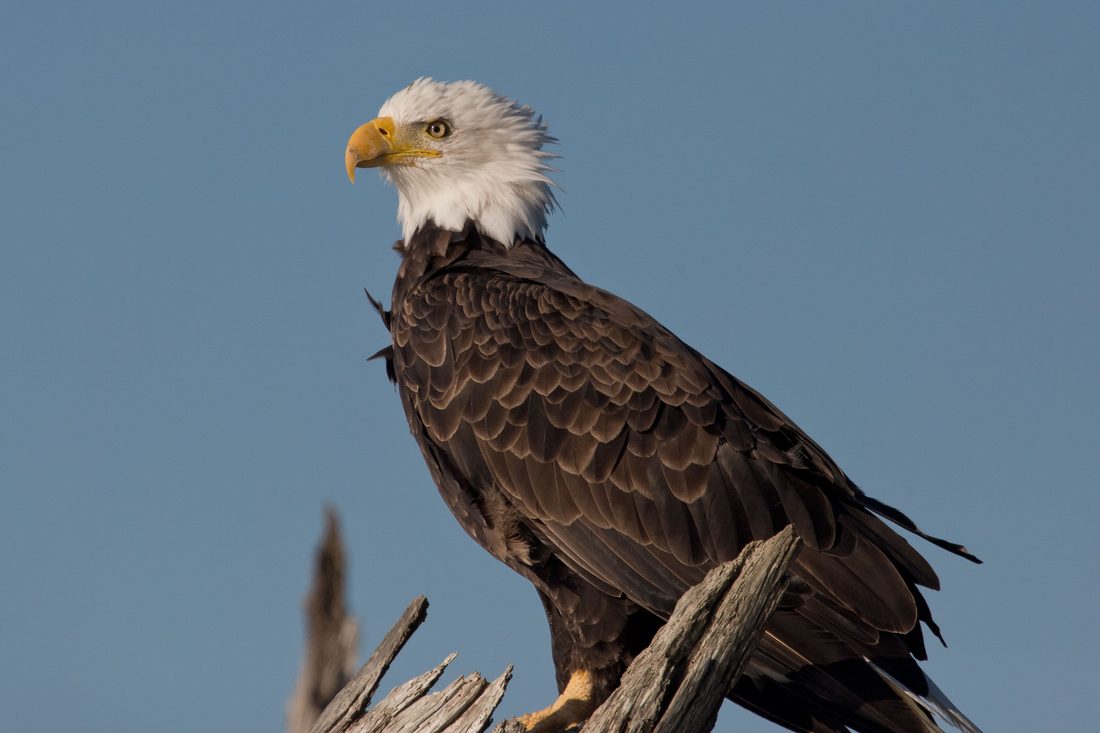
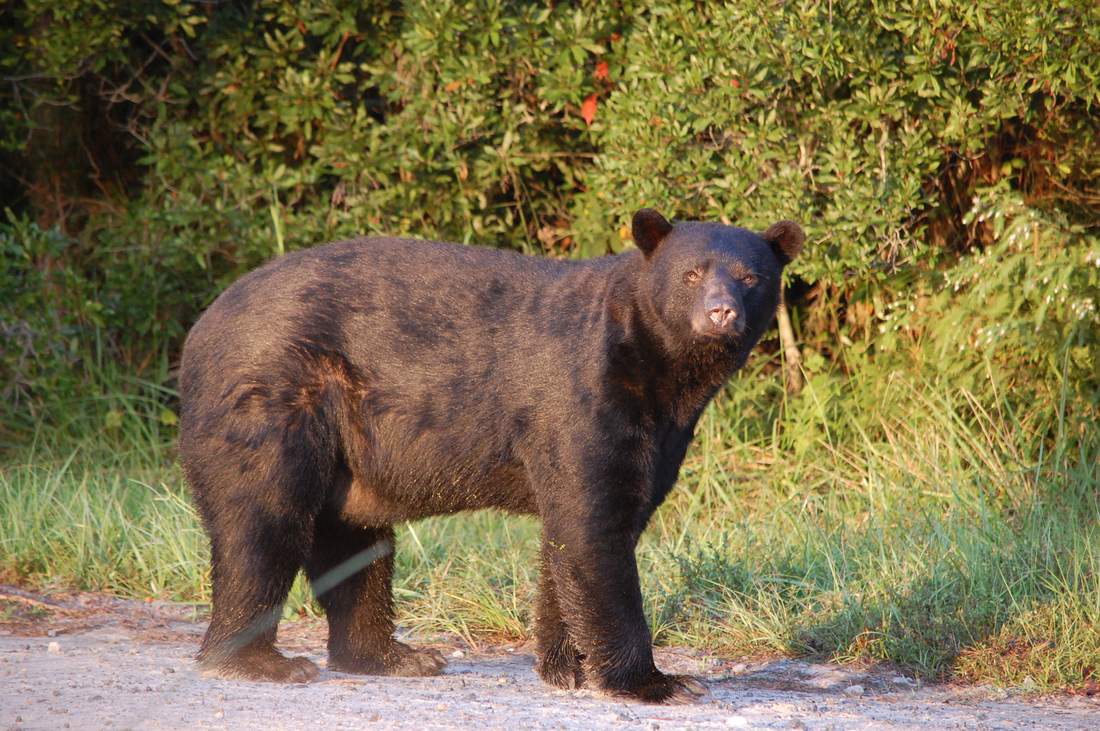
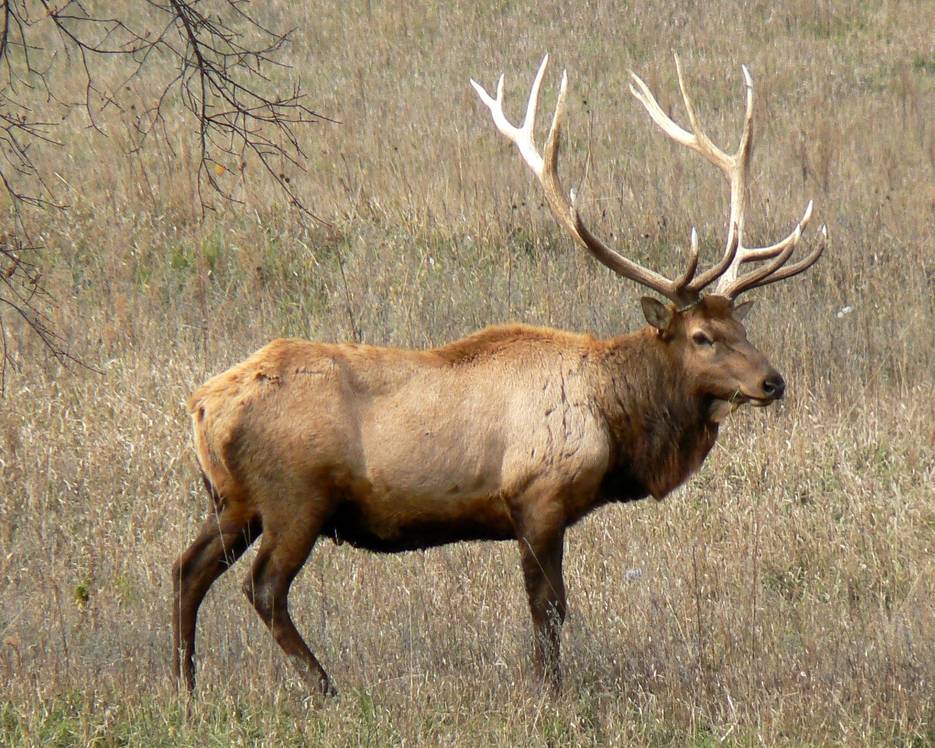
More in the photo gallery.
Bear Smart Durango is the local nonprofit behind the county bear hotline and bear-trash rules. It offers a $100 rebate toward a bear-resistant container.
One habit per neighbor
Each animal comes down to one change in what we do.
Black bears: lock up every scent
Trash out only the morning of pickup (never overnight); nothing scented in cars or tents; pull bird feeders while bears are out (a 7-lb seed tube is 12,000+ calories); pick fruit early, clean grills, feed pets indoors. If you meet one: don't run or climb — stand your ground, yell, throw things; bear spray at ~40 ft. If a black bear actually attacks, fight back — do not play dead (that's black bears, not grizzlies). CPW runs a two-strike policy, so a food-conditioned bear often ends up dead. A fed bear is a dead bear.
Moose: leash the dog, give wide berth
The most dangerous large animal here. Dogs read as wolves and trigger charges, so keep yours leashed and close. Give extra room to cows with calves and to anything in the willows, and back away if a moose lays its ears back or raises its hackles.
Mountain lions (rare): never run
Sightings are uncommon. If you do meet one: speak calmly, back away, look big — raise your arms or open your jacket — pick up kids and pets, and throw things if it approaches. Never run, and never approach a lion that's feeding or with kittens.
Elk & deer: slow down at dawn & dusk
Most vehicle collisions happen at first and last light, especially during spring and fall migration along CR 501 — so ease off then. And never touch a fawn or calf in spring; it isn't abandoned, the mother is nearby.
Osprey & eagles: keep your distance from nests
Osprey nest right at the lake and bald eagles work the shoreline; both are federally protected. Give nests a wide berth (Colorado raptor guidance is roughly ⅛ mile from osprey nests, ½ mile from active eagle nests). Using non-lead tackle is a great way to protect eagles and loons — a best practice, not a local rule.
Rattlesnakes: a lower-elevation concern
At about 7,665 ft the lake is near their upper limit. They're far more likely on warm canyon hikes toward Bayfield and the lower Pine River than at the shoreline. Watch your step and hands on those lower, sunnier trails.
Camp scavengers: secure food & coolers
Raccoons, skunks, and ground squirrels work every campground. The fix is the same as for bears: food and coolers locked in a hard-sided vehicle or a bear box, nothing scented in the tent, scraps packed out.
Open-range cattle: slow down, pass calmly
The San Juan National Forest is grazed, so expect cattle on forest roads through summer, including the Pine River area. Slow down, give them room, and don't haze them.
- La Plata County Bear Hotline — (970) 247-BEAR (2327) (bear-in-trash, conflict, sightings)
- Colorado Parks & Wildlife — Durango office — (970) 247-0855
- After hours / any emergency — 911 (or Colorado State Patrol for a road-side animal hazard)
Reporting early — before a bear gets a food reward — is what actually keeps it alive. See all emergency & lake contacts, and the feeding-wildlife law on Respect Vallecito.
Hosts: set your guests up to be bear smart
Guests don't know the local rules until someone tells them, and one careless week can mean a dead bear next door. Bear Smart Durango's guidance for rentals:
- Provide bear-resistant cans and ask guests to keep the lids locked; trash out only the morning of pickup.
- Doors, windows, garage, and vehicles closed and locked; nothing scented left in cars.
- Pets fed indoors; grills cleaned after use; report any bear activity to the hotline.
- Print Bear Smart's visitor flyer and leave it for your guests — pair it with the county Good Neighbor Policy.
Common questions about wildlife at Vallecito
Are there bears at Vallecito Lake?
Yes, black bears. Lock scented food, trash and coolers in a hard-sided vehicle, never in a tent, and put trash out only on the morning of pickup. One habit per neighbor
Are there moose at Vallecito Lake?
Yes. Moose have moved into the Weminuche above the lake, and Colorado Parks & Wildlife counts them among the more dangerous animals here. Keep dogs leashed and give moose a wide berth, especially cows with calves. One habit per neighbor
What should I do if I meet a black bear?
Don’t run or climb. Stand your ground, yell and throw things, and use bear spray at about 40 feet. If a black bear actually attacks, fight back; do not play dead. One habit per neighbor
Are there mountain lions at Vallecito?
Sightings are uncommon. If you meet one, speak calmly, back away, look big, pick up kids and pets, and never run. One habit per neighbor
Page updated · Spot something wrong? Tell us